
How to increase restaurant revenue by selling retail items
Most people who buy Christmas trees probably don’t get them in the parking lot of the custard shop where they enjoy turtle sundaes every summer, but Ted Drewes in St. Louis offers the option.
Ted Drewes has sold its strawberry shortcake custard alongside its Nova Scotia-grown scotch pines to holiday revelers for the last 50 years, but adding retail items to a restaurant’s fare is fast becoming a new trend. Rising operational costs are forcing restaurateurs to get creative to protect their bottom line.
Record-setting inflation rates have many restaurants running on razor-thin profit margins and wondering how to grow revenue. Sure, you can raise menu prices and train your staff to upsell add-ons and cross-sell at every opportunity. But there’s another way to boost restaurant sales that benefits the community, differentiates your restaurant from others and has the potential to become a passive earning method: retail.
The concept of restaurant-based retail operations — of forming a cultural hub centered around merchandise and other speciality items — isn’t a new idea. Take a look at Cracker Barrel, a company able to maintain lower menu prices through its subsidized retail programming. People come for the pancakes, but they stay for the novelty toys and kitschy salt and pepper shakers. In fact, the company serves approximately 41 million plates of grits each year, but it also sells around 3.7 million pieces of women’s apparel and 70,000 wooden rockers in the same period.

Following suit, some locally-owned restaurants are adopting similar strategies by serving up thoughtfully-curated retail items to fill the gap where price hikes have slashed food and beverage profits — and restaurant owners like you can do it, too.
If you’re wondering how to increase restaurant revenue, consider adding retail to the menu. Keep reading to learn:

How to increase restaurant revenue with retail offerings
Whether or not you’ve felt stretched by economic conditions over the past few years, growing your revenue is most likely a top priority for your restaurant. The National Restaurant Association reports the food service industry is forecasted to reach $997 billion in sales this year, and though this outlook is optimistic, it’s a smart move to see how you can completely optimize earnings for the rest of the year and beyond.
Adding a retail space inside your restaurant business can increase foot traffic, drive repeat customers and differentiate your business from competitors. Plus, it gives consumers options and experiences beyond big box options.
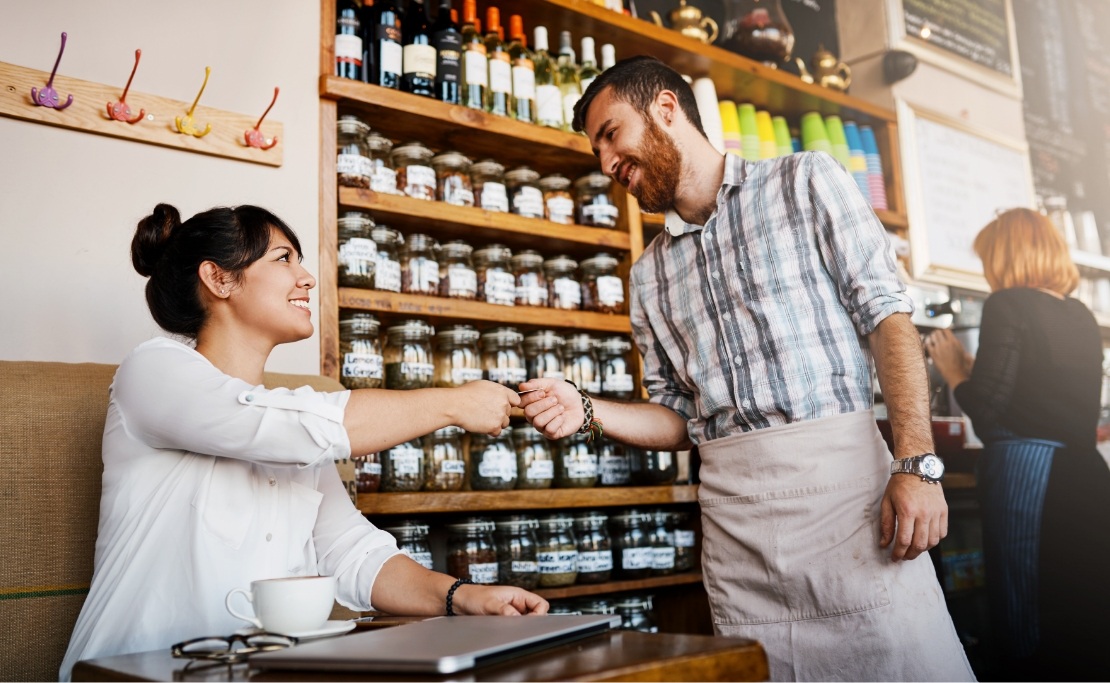
Offering retail items in your diner, coffee shop or steakhouse can increase restaurant sales, sometimes with little monetary investment on your part if you partner with a local retailer. Restaurants that expand beyond food and beverage to promote and sell local retail items have the unique opportunity to connect with other business owners around town and demonstrate to customers the importance of being a community-oriented restaurant.
Ready to create an additional revenue stream for your restaurant? Heard!

What are the benefits of offering retail in restaurants?
Celebrity chef and restaurant owner Aarón Sánchez told The Entrepreneur’s Studio that one of the keys to success in building and operating a restaurant is to be willing to experiment and try new things. Making retail available in restaurants? That totally counts!
Fast-casual salad chain Sweetgreen teamed up with pet supply brand Wild One to offer a vegetarian dog treat with locally-sourced sweet potatoes and apples, and it sold out. It might sound funny to get kibble for your pup from a restaurant hailed for its kale caesar, but for these pet-owning greens enthusiasts, it makes perfect sense.
Let’s look at the benefits of adding retail goods to your restaurant concept:
Increases loyalty: Your customers know they can expect piping hot pizza with garnishes galore, but with your new retail section now they know where to find some of those tasty toppings. With olive tapenade and hot honey on your shelves, they might swing by your restaurant (rather than the grocery store) to get their favorite condiments. And since they’re there, they may order a pizza to go with it. Repeat business in the making!
Improves referrals: As you know, word of mouth is huge for restaurants. The same is true for retail. When you and the retailer you’ve paired up with work together, you can leverage each other’s customer base. A regular who often stops by for coffee and buys a croissant-shaped candle in your cafe might find the candlemaker on Instagram and send the profile to a few of their friends to check out, too. Restaurant and retail partnerships are almost always mutually exclusive, but established restaurants who work with retail start-ups can be revolutionary for the newcomer.
Creates reciprocity: Not every retailer has a good location, and some of the brands just starting out may not have much of a following. By taking a retailer who is a good fit for your restaurant under your wing, you reinforce the idea that they are part of your community and show your customers the importance of supporting locally-owned businesses.
Champions locally-owned: A lot of customers show up big to #ShopSmall for Small Business Saturday in November, but retailers need year-round support to maintain momentum. Supporting local retailers helps employ residents, keeps tax dollars close and affirms the dreams of those who dared to.
Drives profit: Let’s say you buy a crate with 24 jars of locally-harvested pickled vegetables for $143.88 at wholesale. You could probably sell each jar for around $11.99 each, so after you account for overhead you have your net earnings estimate — a nice little chunk of change for simply bringing in a little retail. Like most restaurants with retail offerings, menu sales do a majority of the heavy lifting — but that extra 15% to 20% of income can be the difference between getting your restaurant in the black.
A flexible restaurant POS system with a robust loyalty program can take your business far, but adding retail to your restaurant can be a game-changer for you and the retailer you partner with.
15 ways to boost restaurant sales with retail items
So now you know the benefits of adding retail to increase restaurant revenue, but don’t just throw a few t-shirts and bagged coffee on a shelf and call it a day.
Complementary offerings and placement do matter. If you have an upscale Mexican cantina, plastic bubble wands may not be a good fit. Jarred salsa and paprika-infused chocolates? Now that could work!
Food-based retail items for your restaurant
Sweatshirts and coffee mugs are most likely a suitable choice for nearly any restaurant, but let’s chat first about some food-centric options that could build revenue and let you team up with local makers in your community.
Here are five ideas to try, plus more than 10 other categories worth exploring:

Ingredients used in your restaurant: Perhaps everyone raves about the way your restaurant starts each meal with fresh-baked bread and spiced olive oil, or maybe your restaurant is known for its multiple honey-infused dishes served each spring. You could consult a packaging company to come up with ways to let guests take the customer experience (and your spiced olive oil) to go, or you could work with a beekeeper to bottle honey with recipes printed on the label so guests can try their hand at your honeyed goat cheese appetizer when they’re away at their lakehouse.

Dishes used in your restaurant: Some restaurants use run-of-the-mill plates and cups, but some serve dinner in novelty dishware such as glazed ceramic pieces or speciality stoneware. If your restaurant is the latter, consider having extra bowls and mugs made to sell so diners can elevate their meals when they’re unable to join you for dinner. Selling your dishware makes great souvenirs, too, for vacationers who want to take a piece of their special holiday spot back home. This benefits you, your guests and the ceramist who designed and fired the dishes.

Equipment used in your restaurant: Let’s say you have a coffee shop and your customers can’t get enough of your cold brew coffee. You could stock the Toddy Cold Brew System you use so coffeeheads can try their shot at your lattes in their kitchen, or you could do what Blueprint Coffee does and sell every type of brewing gadget you can think of, from filters to grinders and more.

Meal kits: The pandemic brought a lot of changes for the restaurant industry, and one is the advent of take-home meal kits. Fresh pasta, pulled pork and all the fixings, sushi-grade cuts of fish, reuben sandwiches… the options are endless! Guests can pre-order and pick up something from your daily selections to enjoy in their own kitchens, an ideal option for young families, elderly groups and others.

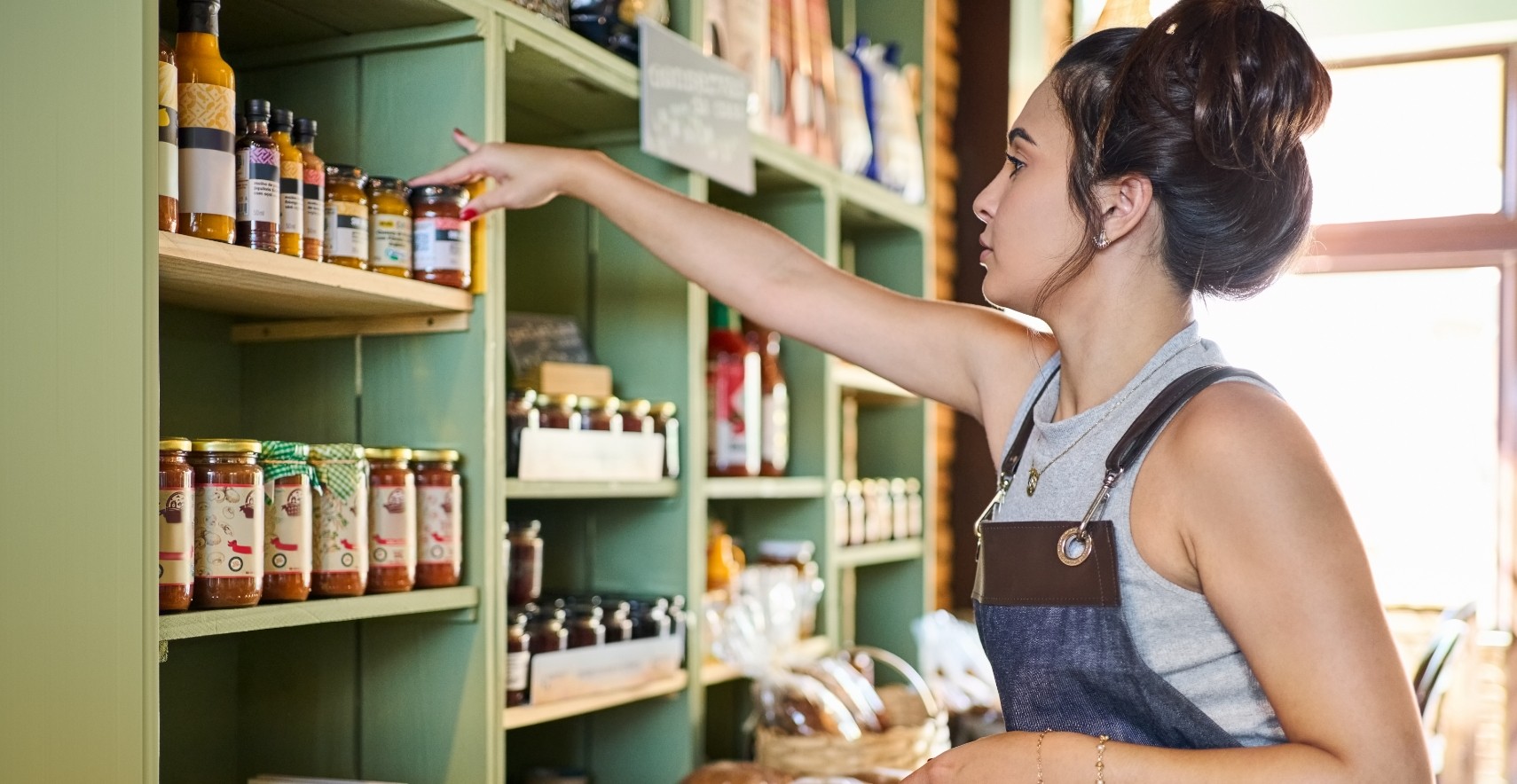
Pantry items related to your restaurant: For sandwich shops and neighborhood Italian eateries, try adding some well-made, gift-worthy staples: olive oil, vinegars, spices and herbs — and maybe add a few cute pinch bowls from a local potter or ceramist to round out the shelves.
That’s not all. Other items to surprise and delight new customers and existing customers alike include:

Coffee and tea

Handcrafted sodas

Bottled wine

Premium beer in growlers and kegs

Jam, preserves, honey, syrup

Pickled vegetables

Artisan ice cream

Candy and confections

Tartine and charcuterie boards

Cookbooks

Flowers and plants

Gourmet dog treats
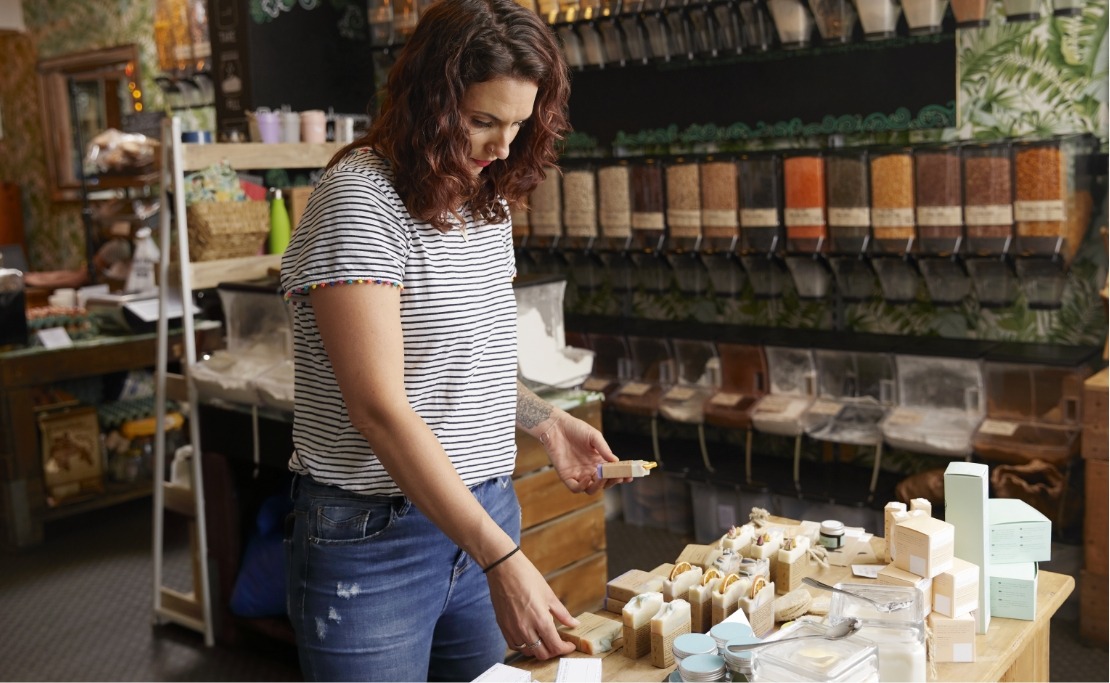
Don’t worry, you don’t have to fork over all your cash to create these items yourself. Instead, you can reach out to nearby breweries, bookstores, nurseries and pet boutiques to see if their products may be a good fit for your restaurant and work together to present their offerings to your customers.
Branded merchandise options for your restaurant
Hard Rock Café and Planet Hollywood have been selling branded memorabilia like hats, t-shirts and souvenir cups for years — and for good reason.
According to advertising data, merchandise provides the best number of impressions for every dollar spent — even more than some social media campaigns — with recall rates as high as 85%.
Merchandise is an excellent way to get the word out about your business or to continue spreading the good news (like that you have the best cheese fries this side of the Mississippi), and it’s a great opportunity to partner with a graphic designer in your community as well as the local print shop.
Depending where you’re located, promotional gear might be bought as a souvenir or purchased in a show of support by locals who just can’t get enough of your vegan tacos.
Merchandise you could sell in your restaurant includes:

T-shirts and sweatshirts for adults and children

Tote bags

Hats

Socks

Coffee mugs

Aprons

Coasters

Keychains

Bottle openers

Stickers
Your brand will dictate the type of merchandise you sell. Schlafly Beer in Missouri has a giant selection of industrial-style promotional gear while Middle Child in Philadelphia sells cheeky merchandise (in fact, their online shop warns: none of this is edible).
The sky’s the limit, though. Popular burger chain In-and-Out has t-shirts and caps, but they also sell coolers, beach chairs and footwear.
If you already invested in general branding for your restaurant, creating and selling merchandise can help recoup some of those dollars and give you lots of free promotion for the folks wearing, carrying and using your t-shirts, tote bags and coffee mugs.
Merchandise is a fun way to celebrate your business and appeal to your die-hard loyalists, but it also offers necessary recognition and awareness to continue building your brand and, therefore, revenue. And when you’re inevitably hit up to chip in for the latest school fundraiser or non-profit gala, merchandise makes a great option for your charitable gifting: you get to contribute to the community — and you get a little free advertising out of it, too.
I’m in, but where do I put all this stuff?
Good question! Whether you’re adding t-shirts and pint glasses or a full pantry of oils and spices, try to stage the items near the exit or in a spot where guests are already waiting for a table. If you’re short on space, you could try a temporary pop-up shop — say, on the patio or in the parking lot by the front door — which would also let you gauge interest before committing to a full retail section.
If you don’t think retail items are the right move for your business right now but you are interested in a second revenue stream, you could invite other businesses to have pop-up events in your business. Maybe the chocolatier across town could sell heart-shaped truffles in your restaurant around Valentine’s Day or the farmer who sources your microgreens could offer produce on Saturday mornings. Not only would your restaurant receive a cut of the profits for hosting, but you also get the benefits of supporting other local businesses and potentially being introduced to their customer base.
Regardless of the physical space in your restaurant or coffee shop, selling food-based retail items and merchandise online can be a lucrative option (and beneficial for your SEO). To generate interest, use email marketing and social media platforms to let customers know about new offerings and upcoming merchandise drops.
Adding ecommerce capabilities to your website allows customers to grab gear from anywhere, even while you’re counting inventory or — better yet — sleeping.

How to approach a retailer about a restaurant partnership
Chilled riesling and spicy Indian food are a dynamite pairing, sure, but retailers and restaurateurs are an iconic duo.
Here’s a quick look at how to approach busy retail store owners to discuss a collaboration:
Arrange an introduction at an easy time — they’re probably focusing on opening and closing tasks in the morning and evening hours, so consider an early afternoon appointment
Present the benefits and advantages of working together… with projections, if possible!
Bring samples (or photos) for potential buyers so they have a tangible understanding of, say, how their fruit-scented candles and your Instagram-worthy smoothie bowls could complement each other
You may have to pitch several times to land a partnership, but being polite and persistent can really pay off. To help you determine which locally-owned retail store may be the best fit, visit a few stores to view their offerings then send a few emails to retailers you admire or update your social media presence to let your network know you are open to partnership opportunities.
Final thoughts
Custard and Christmas trees, cheeseburgers and sandals — sometimes it doesn’t make perfect sense. On paper, dim sum and cozy loungewear may seem like an unlikely pairing to find in a restaurant, but it can work. After all, who doesn’t want to curl up in a soft sweatshirt while enjoying dumplings on the couch?
Whether you lean traditional with t-shirts or go bold with pillows, adding retail to your restaurant creates more revenue. Plus, if you’re able to partner with local retailers, you’ll be creating a community network that cross-promotes independent businesses and gives consumers options and awareness from both locally-owned restaurants and retailers.
For more tips and ideas to help you grow your business, check out The Entrepreneur’s Studio. Interested in the tools of the trade? Learn more about our comprehensive POS solution for restaurants and retail brands.
Disclaimer: All trademarks contained herein are the sole and exclusive property of their respective owners.
Heartland is the point of sale, payments and payroll solution of choice for entrepreneurs that need human-centered technology to sell more, keep customers coming back and spend less time in the back office. Nearly 1,000,000 businesses trust us to guide them through market changes and technology challenges, so they can stay competitive and focus on building remarkable businesses instead of managing the daily grind. Learn more at heartland.us